
 Back
Back The Unsung Star of Beer: Why Yeast Deserves All the Credit
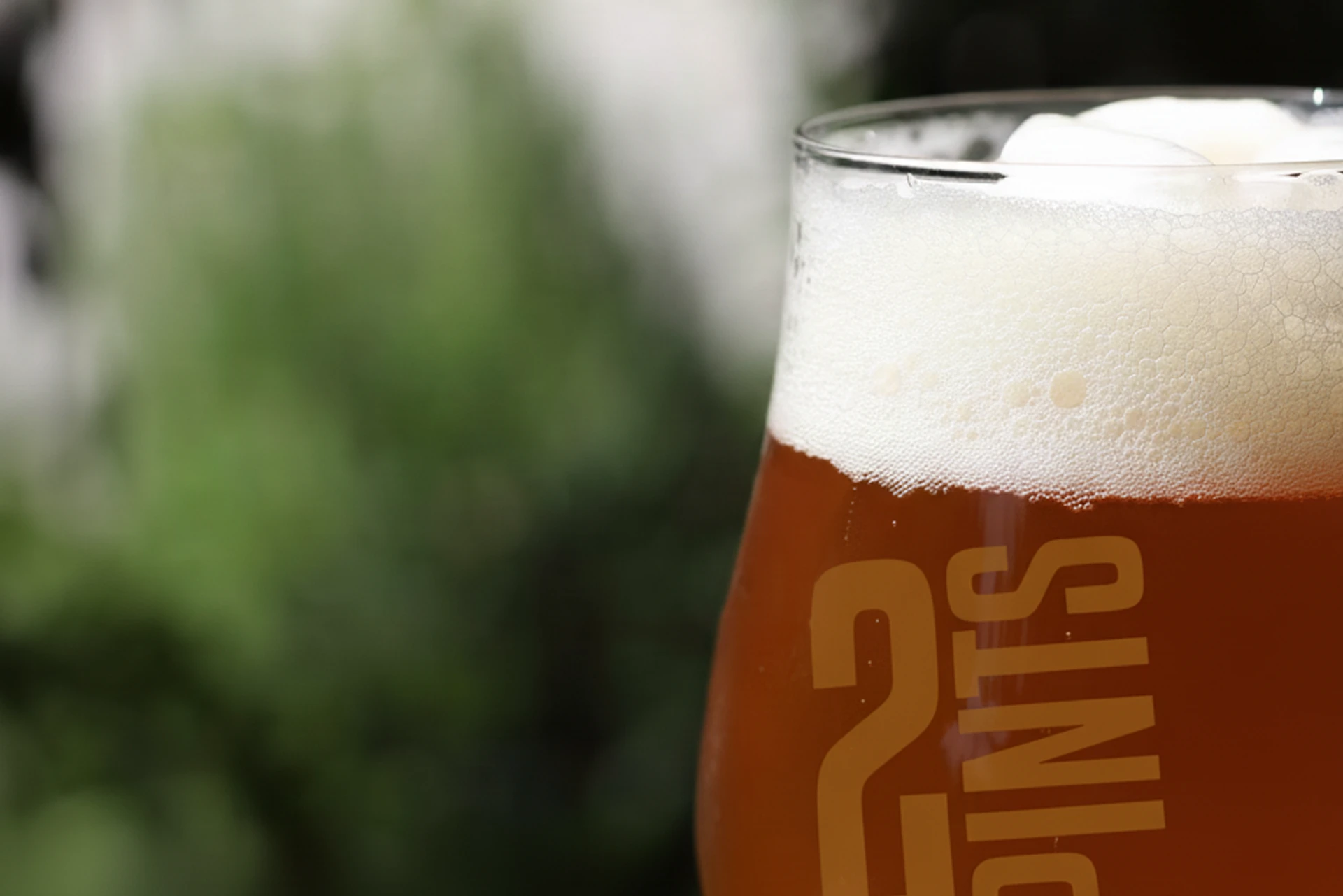
Imagine you’re hanging out at your favourite brewery, admiring the bright shiny tanks and copper kettles, perhaps even getting an enticing waft of sweet biscuity malt in the air from the mash tun. But there’s usually something that goes unnoticed to the casual beer drinker – this one tiny organism that does all the real heavy lifting, and its role is crucial to turning sweet wort into liquid gold.
Let’s discuss yeast, and its importance in beer making.
What Exactly Does Yeast Do?
The sugars that came from carefully selected malted grains earlier are now being chomped down and consumed by yeast cells in the fermenter. This process – called fermentation – contains dozens of enzymes in yeast cells that break down complex sugars like maltose and maltotriose into simpler compounds, then convert those into ethanol and CO2.
The technical term for this process is alcoholic fermentation, and the simplified equation looks like this: C6H12O6 → 2 C2H5OH + 2 CO2
Translation: Sugar becomes alcohol plus carbon dioxide. But what actually happens inside those cells is way more complex and fascinating than this equation suggests.
Not All Yeasts Are Created Equal
Now, here’s where it gets really interesting. To say that “yeast makes beer” is technically true, but it’s not always so clear cut. Each individual yeast ‘strain’ behaves in its own unique way so let’s explore further.
Saccharomyces cerevisiae: The Dominant Species
This is your classic ale yeast, and it’s basically the workhorse of the yeast world – enthusiastic, reliable, and performs best at warmer temperatures (typically 16-24°C/60-75°F). Also known as “top fermenting” yeasts.
What makes ale yeast special is in its profile. It can produce more esters and phenols during fermentation, which translates to fruitier, more complex flavours. Think about a German Hefeweizen with those aromatic banana and clove notes, or an English bitter with subtle apple and pear undertones – that’s all thanks to the specific strain of Saccharomyces cerevisiae doing its thing.
Some popular ale yeast strains and their flavour contributions:
- Safale US-05: Clean, well-balanced, and allows hop and malt flavours to shine
- White Labs London Fog: Produces beautiful tropical fruit and citrusy esters (ideal for hop forward hazy pale ales & NEIPAs)
- LalBrew Belle Saison: A Belgian farmhouse strain that gives signature spicy, phenolic notes
Saccharomyces pastorianus: Cool & Crisp
Lager yeast prefers cooler temperatures (typically 7-15°C/45-59°F) and these “bottom-fermenting” yeasts take their sweet time – sometimes fermenting for weeks or even months – but the results are worth the wait.
The profile of lager fermentation is all about restraint and elegance. They produce minimal esters and phenols at colder temperatures, allowing the malt and hop character to do their thing with little room for off-flavours. The result? Those clean, crisp lagers we all love, from pilsners to märzens to bocks.
Popular lager yeast strains:
- Saflager W-34/70: Perfect for German-style and new-world lagers
- Wyeast 2124: Bohemian lager yeast perfect for Czech pilsners
- White Labs WLP830: German lager yeast that creates those smooth, malty Oktoberfest beers
Wild Yeasts: Bring the Funk
Found in the environment naturally, wild strains of Saccharomyces and the popular Brettanomyces create funky, tart and complex flavours in beer that can range from pleasantly sour to “holy cow, what did I just drink?”
Brettanomyces (or “Brett” to brewers) is particularly fascinating. It can create flavours described as barnyard-y, horse blanket-ish, tropical fruit-like, or metallic. Sounds weird? Maybe. But in the right beer, Brett creates an incredible depth of flavour that keeps you coming back for another sip.
These wild yeasts are essential for traditional styles like Belgian lambics and Flanders red ales. But they are also found in the mixed fermentation and wild ales that are popular amongst craft breweries around the world.
Yeast Science Explained: Understanding Fermentation Chemistry
Here’s what’s really mind-blowing: yeast doesn’t just convert sugar to alcohol. During fermentation, yeast produces a myriad of flavour compounds. These include:
Esters: These give you fruity flavours. Isoamyl acetate tastes like banana, ethyl butyrate is like pineapple, and ethyl hexanoate brings notes of apple peel.
Phenols: These create spicy, clove-like, or medicinal flavours. 4-vinyl guaiacol gives you those classic clove notes in German wheat beers.
Higher alcohols: These contribute to the “warming” sensation in stronger beers and can add floral or solvent-like notes.
Organic acids: These affect the overall balance and can contribute to sourness or complexity.
Take note. There are many variables in brewing. The same yeast strain can produce completely different flavour profiles depending on fermentation temperature, pH, nutrient availability, and even how much the wort is aerated in the fermenter. It’s like each batch is a conversation between the brewer and billions of microscopic collaborators.
The Brewers Toolkit
Modern breweries have an incredible arsenal of yeast options. Want a juicy New England IPA? There are specific strains that create that creamy mouthfeel and biotransform hop compounds to enhance tropical fruit flavours. Looking for a clean, crisp pilsner? There’s a Czech lager strain that’s been perfecting that style for over a century.
Some breweries even maintain their own house yeast cultures, passed down through generations just like sourdough starters. Guinness, for example, has been using the same yeast strain for over 125 years. That’s a lot of family history in every pint.
Raise a Pint: In Yeast We Trust
Next time you’re enjoying a beer, take a moment to appreciate the invisible team that made it possible. Those yeast cells worked tirelessly, converting simple sugars into the complex, delicious beverage in your glass. They created the alcohol that gives beer its warming effect, the CO2 that creates that satisfying foam, and hundreds of flavour compounds that make each style unique.
Whether it’s the fruity complexity of a Belgian tripel, the clean finish of a German pilsner, or the wild funk of a farmhouse ale, you can thank yeast for the experience. Sure, the brewer chose the ingredients and controlled the process, but yeast did the actual magic.
So here’s to yeast – the tiny yet mighty, absolutely essential organism that turns wort into liquid joy. Without it, we’d just be drinking sweet, flat, non-alcoholic grain tea. And honestly, where’s the fun in that?