
 Back
Back The Joy of Hops: Little Green Cones of Fun
Ever wondered what gives your favourite IPA that citrusy punch, or why some beers taste like a stroll through a pine forest? Meet hops – the heroes of the beer world that transform sugary wort into the complex, flavourful brews we know and love.
What Exactly Are Hops, Anyway?
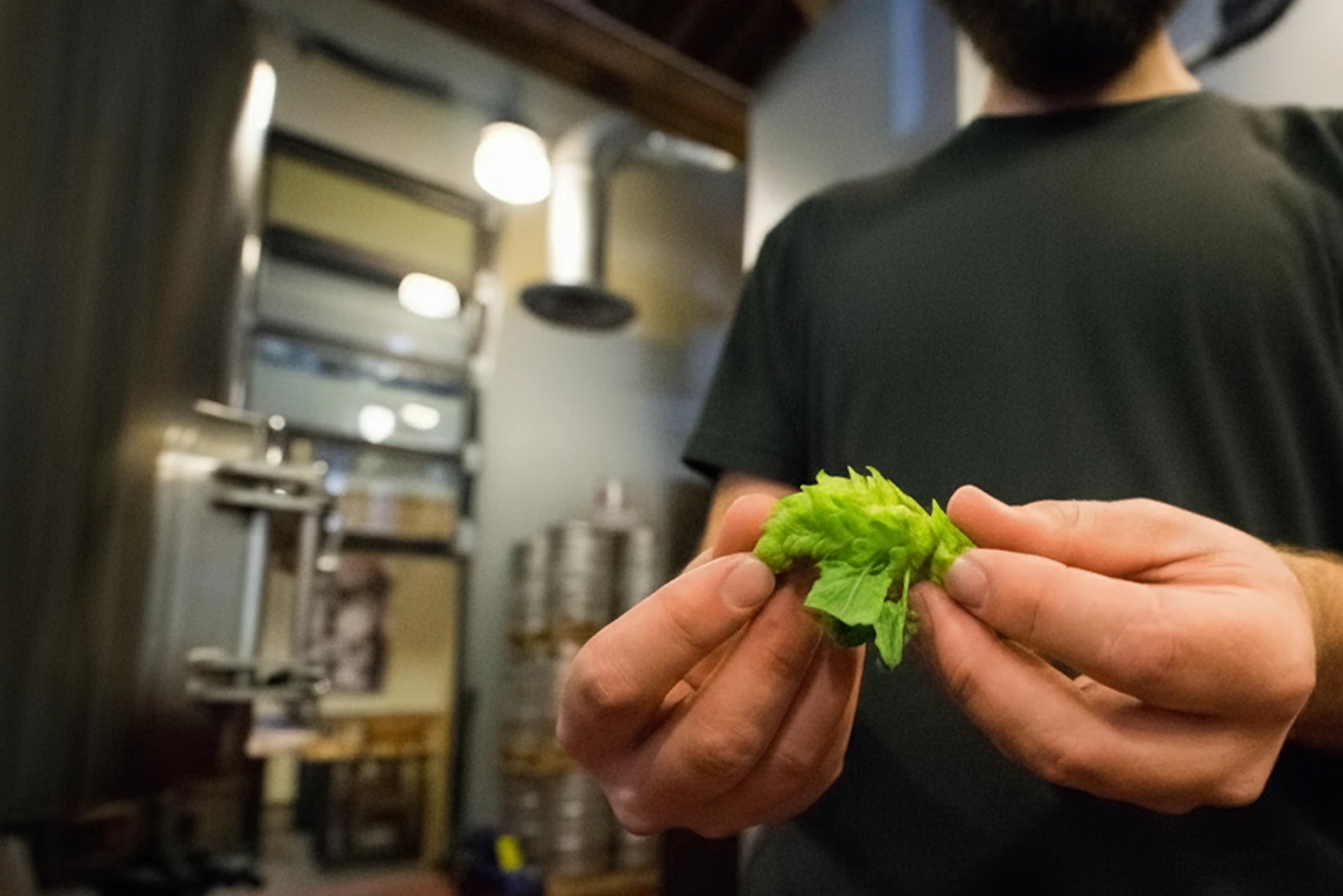
Picture this: you’re walking through a hop yard in late summer, and towering above you are these impressive vines (technically called bines) reaching up to 18 feet high. At the end of each delicate branch hang clusters of papery, cone-shaped flowers that look almost like tiny artichokes. These are hop cones, and inside them lies pure liquid gold – well, more accurately, tiny yellow glands called lupulin that contain all the aromatic oils and acids that takes beer to another level.
Hops are actually related to cannabis (don’t get any ideas), and like their controversial cousin, they’re packed with compounds that humans have found… let’s say, very interesting for thousands of years.
The Power of Hops
Here’s where things get deliciously nerdy. Hops bring three essential elements to beer:
Bitterness:This comes from alpha acids, primarily humulone. When you boil hops, these acids transform into iso-alpha acids, which give beer that satisfying bitter bite that balances out the sweetness from malted grains. Without hops, beer would taste like liquid bread – and not necessarily in a good way.
Flavour and Aroma: Essential oils are the rock stars here. We’re talking about compounds with names like myrcene (think tropical fruit), caryophyllene (spicy, woody notes), and farnesene (that classic floral and citrusy character). Each hop variety has its own unique blend of these oils, which is why American grown Citra tastes completely different from a Czech Saaz.
Preservation: Before refrigeration, hops helped to keep beer stable for a longer period of time. Their antimicrobial properties helped prevent spoilage – which is why India Pale Ales were loaded with hops for the long journey to British colonies, such as India. Those clever Victorians figured out that more hops meant beer that didn’t turn into vinegar halfway around the world.
The Hop Hall of Fame: Classic Varieties
From hops that have been the talking point for decades to those emerging in recent years that are perfect for new world styles of beer. Here are some of our favourite hop varieties.
Cascade: The American craft beer revolution basically started with this one. Born in Oregon in 1972, Cascade delivers that signature citrusy, floral character that screams “American Pale Ale.”
Centennial: Think of this as Cascade’s more assertive cousin. With nearly double the alpha acids, Centennial brings intense citrus and floral notes with enough bitterness to make your taste buds sit up and pay attention.
Citra: The newcomer that took the craft beer world by storm. Released in 2008, Citra lives up to its name with intense tropical fruit flavours – think passion fruit, mango, and lime zest and you’ll have fruit punch in your glass.
Saaz: The elegant European aristocrat of hops. Czech Saaz has been perfecting beer for centuries, bringing that classic, refined spiciness to pilsners and lager beer. It’s subtle, sophisticated, and absolutely essential for authentic Czech-style beers.
Fuggle: It offers mild, earthy, and slightly fruity characteristics that complement rather than dominate – perfect for traditional bitters and milds. Fuggle has been hopping British ales since the 1870s.
The New School: Modern Hop Superstars
The craft beer boom has unleashed a hop breeding frenzy, and the results are mind-blowing.
Mosaic: This hop is like a fruit salad explosion. Blueberry, tangerine, pineapple, stone fruit – Mosaic is extremely versatile in all hop-forward styles.
Galaxy: From down under comes this Australian powerhouse that delivers intense passion fruit and citrus notes so bold they practically leap out of the glass.
Sabro: The coconut hop! Seriously, this variety brings tropical coconut vibes with stone fruit flavours that will make you feel like you’re drinking beer on a beach.
Beer Styles: Where Hops Shine
Different beer styles showcase hops in completely different ways. Let’s look at some examples.
India Pale Ale (IPA): The hop showcase supreme. Whether it’s a West Coast IPA with its crystal-clear, piney and bitter kick, or a hazy New England IPA with its juicy, tropical character, IPAs are all about letting the hops take center stage.
Pale Ale: Hops and malt in perfect harmony. American Pale Ales typically feature citrusy American hops, while English versions showcase earthy, traditional varieties like East Kent Goldings.
Pilsner: Don’t let the delicate appearance fool you – pilsners rely on noble hops like Saaz and Hallertau for their floral and spicy character. It’s hop subtlety at its finest.
Saison: These Belgian farmhouse ales often feature spicy, peppery hops that complement the style’s inherent funkiness and complexity.
Needs More Hops…
Here’s where brewing gets really interesting. When you add hops during the brewing process completely changes what they contribute.
- Bittering hops go in early during the boil, extracting maximum alpha acids for bitterness
- Flavour hops are added mid-boil to capture both bitterness and flavour compounds
- Aroma hops get added at the very end or even after fermentation (dry hopping) to preserve those delicate essential oils
Modern brewers are also experimenting with techniques like whirlpool additions, hop bursting, and multiple dry hop additions to create incredibly complex hop profiles.
The Future is Bright (and Hoppy)
The hop world keeps evolving. Experimental varieties with names like HBC 1019 and Peacharine are pushing flavour boundaries, while breeding programs work on everything from disease resistance to completely new flavour profiles.
Some brewers even experiment with fresh “wet” hops used immediately after harvest, creating seasonal beers with incredibly vibrant, green hop character that you simply can’t get any other time of year.
Raise a Pint: to Hops!
Next time you crack open a hoppy beer, take a moment to appreciate the incredible complexity packed into those little green cones. From ancient preservation to modern flavour innovation, hops have transformed beer from basic sustenance into one of the world’s most diverse and exciting beverages.
Whether you’re team bitter West Coast IPA or prefer the subtle elegance of a German Helles, you’re experiencing thousands of years of agricultural and brewing evolution in every sip. And honestly? That’s pretty amazing.
So here’s to hops – the little green powerhouses that make beer delicious, one cone at a time.